
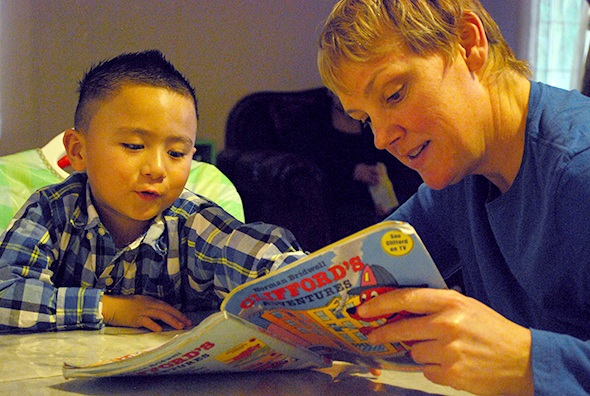
Reading confidence does not appear overnight. It grows slowly through small, consistent moments shared between children and the adults who love them. The good news is that building strong readers does not require expensive programs or hours of drilling.
Early literacy activities woven into everyday routines make the biggest difference. In The Infinite Dreamer by Dr. Cynthony Higgs, young children discover the joy of stories, and that same joy is the foundation of lifelong reading success.
Why Early Literacy Habits Matter
Research shows that children who develop strong pre-reading skills in preschool are more likely to succeed academically throughout their education. These early habits create neural pathways that make learning to read easier.
- Brain development: Early experiences shape how the brain processes language
- Vocabulary growth: Children who hear more words learn more words
- School readiness: Literacy skills predict kindergarten success
- Confidence building: Kids who feel capable with books approach reading positively
Habit 1: Read Aloud Every Day
Daily read-alouds are the single most important thing you can do for your child’s literacy development. Even five minutes makes a difference.
How to make it work:
- Choose a consistent time, like bedtime or after breakfast
- Let your child pick the book sometimes
- Use expressive voices to keep them engaged
- Do not worry about finishing every book, enjoyment matters most
Habit 2: Point to Words as You Read
Tracking print helps children understand that those symbols on the page carry meaning. This simple action builds print awareness naturally.
Tips for pointing:
- Run your finger under words as you read them
- Pause at repeated words and let your child “read” them
- Point out familiar letters in their name
- Keep it casual, this is not a lesson, just a habit
Habit 3: Talk About the Pictures
Pictures are not just decoration. They carry story information and help children develop comprehension skills before they can read words.
Picture talk ideas:
- Ask what they notice in the illustration
- Wonder together what might happen next based on the picture
- Find details the words do not mention
- Connect images to your child’s own experiences
Habit 4: Play with Sounds and Rhymes
Phonological awareness, hearing the sounds in words, is essential for learning to read. Rhyming games and silly songs build this skill playfully.
Sound play activities:
- Sing nursery rhymes and songs together
- Make up silly rhyming words
- Clap out the syllables in names and words
- Play “I Spy” with beginning sounds
Habit 5: Visit the Library Regularly
Libraries offer free access to thousands of books and create positive associations with reading. Regular visits make books feel like a normal part of life.
Making library visits fun:
- Let your child choose their own books
- Attend story time sessions when possible
- Explore different sections together
- Make it a special outing, not a chore
Habit 6: Label the World Around You
Print is everywhere. Helping children notice words in their environment builds the understanding that reading has real-world purpose.
Environmental print ideas:
- Read signs, menus, and labels aloud
- Point out familiar logos and brand names
- Let your child “help” read grocery lists
- Notice letters on license plates or street signs
Habit 7: Ask Open-Ended Questions
Questions that require more than yes or no answers develop comprehension and critical thinking. They also make reading interactive.
Questions to try:
- What do you think will happen next?
- How do you think that character feels?
- What would you do if you were in this story?
- What was your favorite part and why?
Habit 8: Reread Favorite Books
Children love repetition, and rereading is actually powerful for learning. Familiar books build fluency, confidence, and deeper understanding.
Why rereading works:
- Children notice new details each time
- Repeated exposure strengthens memory
- Familiarity allows children to “read” along
- Comfort with known stories builds confidence
Habit 9: Write Together
Reading and writing develop together. Even scribbling and pretend writing help children understand that marks on paper carry meaning.
Early writing activities:
- Let your child see you writing notes and lists
- Provide crayons, markers, and paper freely
- Write down stories your child tells you
- Help them sign their name on cards and artwork
Habit 10: Keep Books Everywhere
When books are accessible, children read more. Scatter them throughout your home so grabbing a book is always easy.
Where to keep books:
- A basket by the couch or favorite chair
- A shelf at child height in their room
- The car for waiting times
- The bathroom for potty training motivation
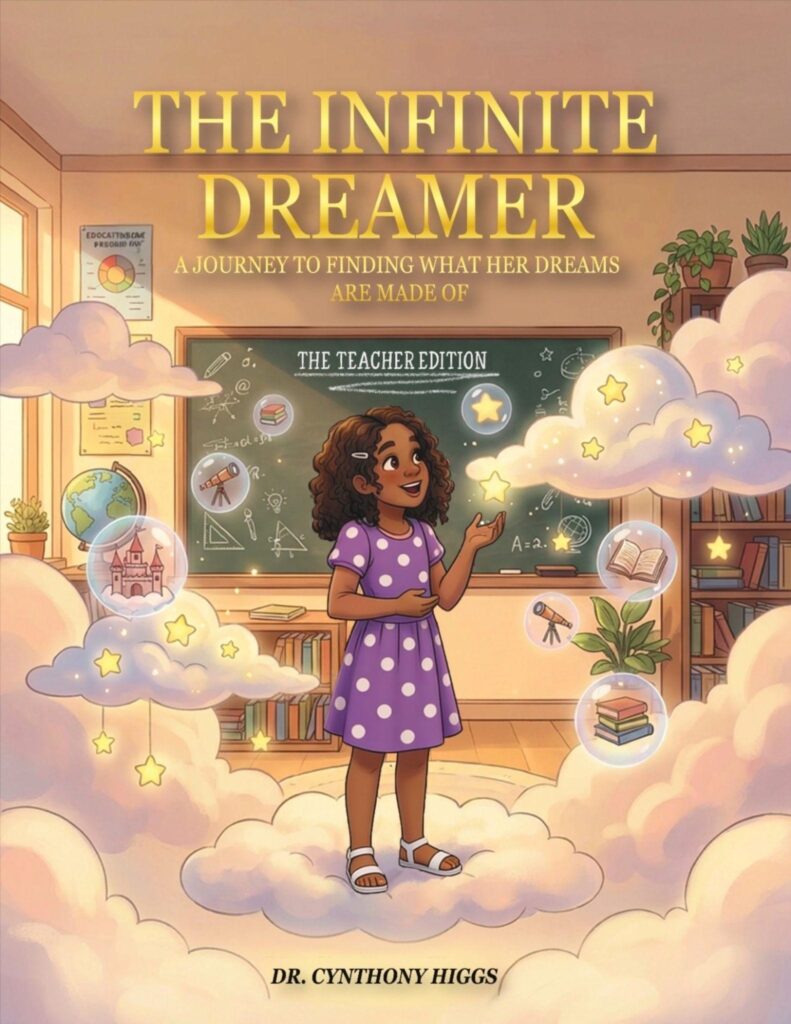
Book cover of The Infinite Dreamer by Dr. Cynthony Higgs
Small Habits Build Big Readers
Early literacy activities do not have to be complicated or time-consuming. The ten habits above fit into busy lives and pay off in children who approach reading with confidence and joy.
When books become a natural, enjoyable part of childhood, learning to read feels like an adventure rather than a chore. For a story that inspires young minds to dream and explore, share The Infinite Dreamer by Dr. Cynthony Higgs with your little reader.